16815.1 Router Login and WiFi Setup Guide
The guide outlines a precise approach to accessing the 16815.1 router and establishing initial WiFi. It presents a methodical sequence: log in with standard credentials, navigate the admin panel, and enable a basic wireless setup. The reader is directed to secure the network through firmware updates and strong authentication, with guest access options clearly separated. A final note hints at resolving common issues, inviting continued investigation for reliable configuration.
How to Log In to the 16815.1 Router
To log in to the 16815.1 router, open a web browser and enter the device’s default IP address in the address bar.
Access requires precise login credentials and recognition of router branding cues.
The process is procedural, authoritative, and aims to empower users seeking freedom from obfuscation.
Proper credentials unlock configuration options, enabling secure, informed network management and monitoring.
Continuous diligence ensures reliability.
Quick Setup: Get WiFi on the 16815.1 in Minutes
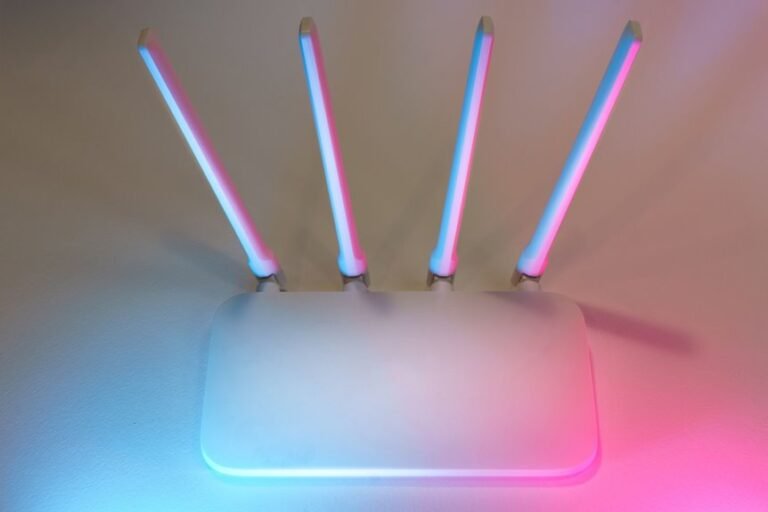
Setting up WiFi on the 16815.1 router is a straightforward, timer-efficient process that can be completed in minutes.
The guide outlines a fast boot sequence and simple SSID configuration, enabling immediate connectivity.
It also covers establishing guest access with a separate network and clean password controls, ensuring quick, reliable wireless access without compromising overall network integrity.
Secure Your Network: Best Practices for 16815.1
A secure configuration for the 16815.1 begins with a rigorous, documented framework: enable strong admin authentication, update firmware promptly, and segregate guest networks from internal resources.
This approach debunks security myths by validating practical controls, while recognizing firmware features as essential levers.
Clear policies, regular reviews, and disciplined monitoring ensure resilient access, data integrity, and user autonomy across the network.
Troubleshooting Basics for Login and WiFi on 16815.1
Navigating login and WiFi issues on the 16815.1 requires a systematic approach that isolates components and verifies configurations.
The guide adopts a detached, methodical tone to assess symptoms, confirm firmware compatibility, and validate network settings.
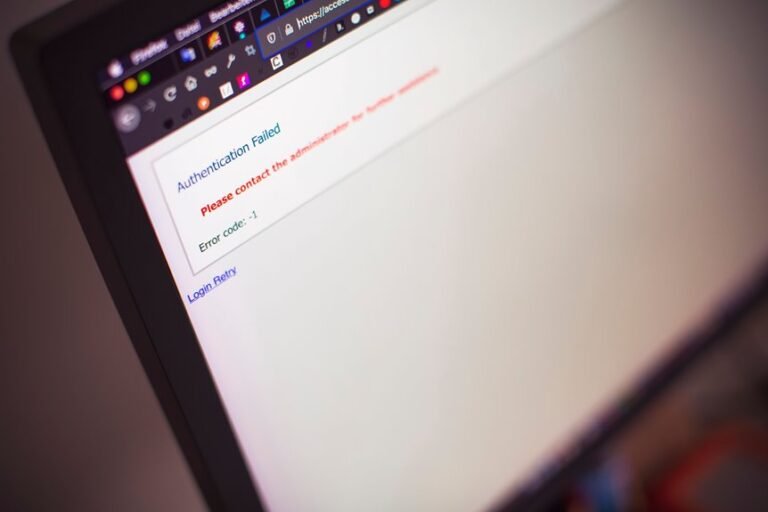
Troubleshooting basics emphasize reproducibility, secure access, and documented steps, enabling informed decisions while preserving user autonomy through clear, concise, and actionable guidance for login issues and password recovery.
Frequently Asked Questions
Can I Use a VPN to Connect to 16815.1?
A VPN can be used to access certain network resources; however, vpn usage may be restricted by wifi access control policies. The system authoritatively governs connections, balancing freedom with security, ensuring compliant access while preserving privacy and network integrity.
How Do I Reset the Router to Factory Defaults?
The reset procedure returns the device to factory defaults. To proceed, press and hold the reset button; after reboot, configure basic settings, optionally perform a firmware rollback, and enable parental controls as desired within the new setup.
Can I Change the 2.4ghz and 5GHZ Names Separately?
Yes, a router can set distinct network names for 2.4 GHz and 5 GHz. The configuration creates two separate networks, each with its own SSID, enabling users to choose independently and optimize performance for desired devices.
Does IPV6 Work on the 16815.1 Router?
IPv6 compatibility exists; the router supports IPv6 routing, and VPN compatibility is maintained. However, features vary by firmware. The device yields a precise, methodical answer: it enables IPv6, with VPNs generally functional, preserving user autonomy.
How Can I Update the Router Firmware Manually?
Firmware can be updated manually by downloading the correct file from the manufacturer’s site and flashing via the router’s admin interface. This is done through precise, methodical steps, employing updating firmware with careful consideration of automatic vs. manual methods.
Conclusion
A firm, methodical conclusion follows, underscoring disciplined adherence to the 16815.1 setup process. By logging in through the default IP with precise credentials, then configuring a simple SSID and a secure guest network, users establish a reliable baseline. Firmware updates and strong admin authentication fortify the system, while documented steps ensure reproducibility. In sum, a well-sealed, calm network emerges; resilience rises as predictable routines become the quiet backbone of everyday connectivity. This evokes confidence, steadfast and enduring.