168.8.105 Router Configuration and Setup Guide
Access to the 168.8.105 Admin Interface should follow a disciplined, documented process. Identify the local device, locate the administrative address, and verify credentials with audit trails. Establish baseline protections, enforce unique strong passwords, and enable available MFA. Implement account lockouts and precise logging. Maintain consistent change records, align wireless settings with regulatory limits, and adopt a structured troubleshooting workflow. The specifics will reveal the gaps and invite consideration of hardened steps ahead.
Accessing the 168.8.105 Admin Interface
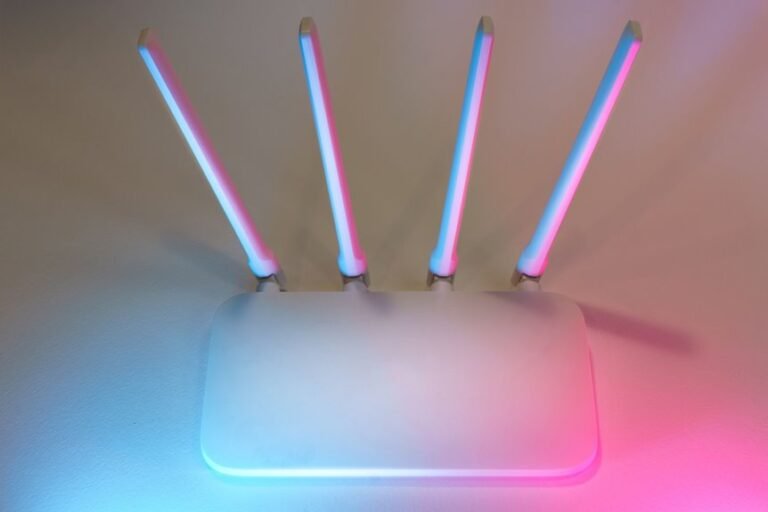
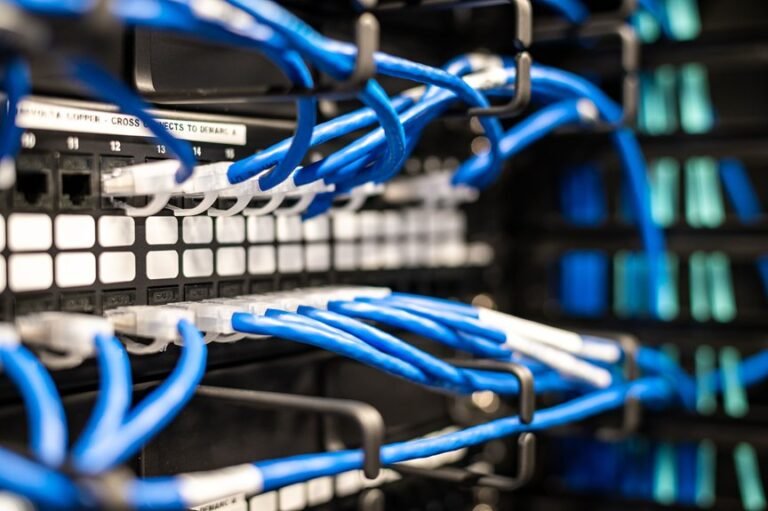
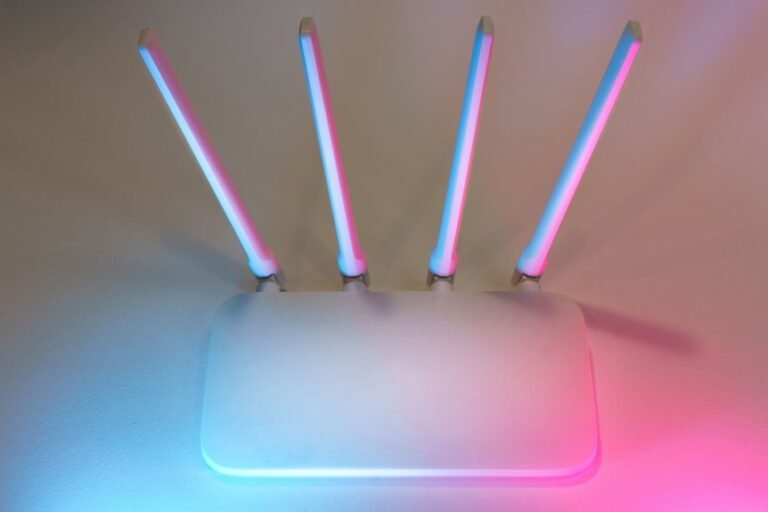
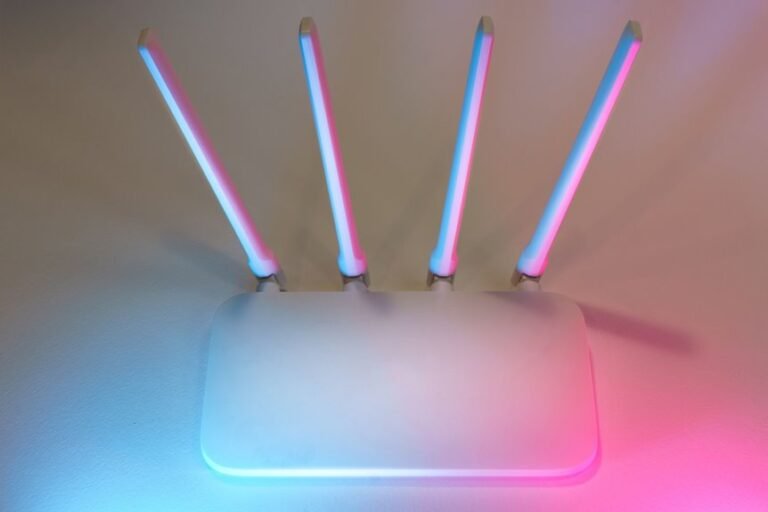
To access the 168.8.105 admin interface, users must connect a device to the same local network as the router and determine the router’s administrative address. Accessing admin operations requires precise steps, including recognizing the 168.8.105 interface, verifying credentials, and documenting access attempts. Security basics are foregrounded; Password practices emphasize strong, unique credentials aligned with freedom and accountability.
Securing Your 168.8.105 Network: Basic Protections and Passwords
Securing the 168.8.105 network begins with establishing baseline protections and disciplined password practices. The approach emphasizes strong, unique credentials, routine updates, and access controls. Implement multi-factor authentication where possible, enforce account lockout policies, and log credential events. Two word discussion ideas, subtopic not relevant to other H2s, provide concise framing for policy review and ongoing risk assessment.
Configuring Wireless Settings on 168.8.105 for Speed and Stability
Configuring wireless settings on 168.8.105 focuses on optimizing speed and stability through disciplined parameter selection and environment-aware adjustments. The process evaluates channel selection, bandwidth, and transmission power, ensuring alignment with regulatory limits. Emphasis is on repeatable configurations, documented changes, and proactive monitoring. Two word discussion ideas: wireless optimization, signal interference, guiding decisions toward reliable, freedom-oriented network performance.
Troubleshooting Common 168.8.105 Issues and Quick Fixes
Networking issues on 168.8.105 devices are addressed by a structured fault-finding approach that builds on prior wireless optimization efforts. The process isolates symptoms, tests configurations, and applies targeted fixes, avoiding irrelevant topic detours. Troubleshooting minimizes distraction from random chatter, focusing on repeatable steps: verify connectivity, review firmware, inspect interference, and implement documented commands for reproducible, swift resolution.
Frequently Asked Questions
How Do I Update Firmware on the 168.8.105 Router?
Firmware should be updated via the router’s administration interface, selecting a reputable image, verifying integrity, and applying the update. Update frequency is moderate; security implications emphasize timely patches, avoiding unsupported builds, and maintaining documented change logs.
Can I Change the Router’s Default IP Address?
Changing the router’s default IP is possible; it requires accessing the admin interface, locating LAN settings, and selecting a new address within the allowed range. This action supports changing password and network isolation, improving control and freedom.
What Is the Default Admin Username and Password?
The default admin credentials vary by model; consult device label or vendor docs. If unknown, reset to factory settings, then secure with unique password. default credentials, security practices, password hygiene, firmware safety.
How Do I Backup and Restore Router Settings?
Backups are straightforward: a cautious administrator exports configurations, stores securely, and tests restoration. The process embodies backup strategies and data encryption, ensuring integrity. Ironically, freedom-loving technicians value controlled redundancy, methodical steps, and verifiable, reversible saves over reckless haste.
How Can I Set up a Guest Network on 168.8.105?
A guest network can be configured by enabling the option in the router’s wireless settings, assigning a separate SSID, and applying a distinct password; perform a firmware update first to ensure features and security are current, then test access boundaries.
Conclusion
In the quiet hum of a secured network, the 168.8.105 guide closes like a compass etched with steady hands. Each step—discovering the admin address, enforcing strong credentials, locking out intruders, and aligning wireless settings—reads like a practiced ritual. The reader is left with a window into disciplined administration, where documented changes and audit trails illuminate a path through potential chaos. As a distant lighthouse, the protocol hints at reliability, resilience, and future-ready maintenance.