168.1.1 Router Login and Configuration Guide
The 168.1.1 router presents a straightforward login and setup path. Access is via 192.168.1.1 (or 192.168.0.1) with a provided username and password. From there, enable strong Wi‑Fi protections, restrict admin access, and apply a robust firewall. Regular firmware updates and audits are essential. Fine‑tuning reinforces performance and security, including guest networks and parental controls. The next steps reveal exactly how these safeguards are implemented and tested.
What Is the 168.1.1 Router and Why It Matters
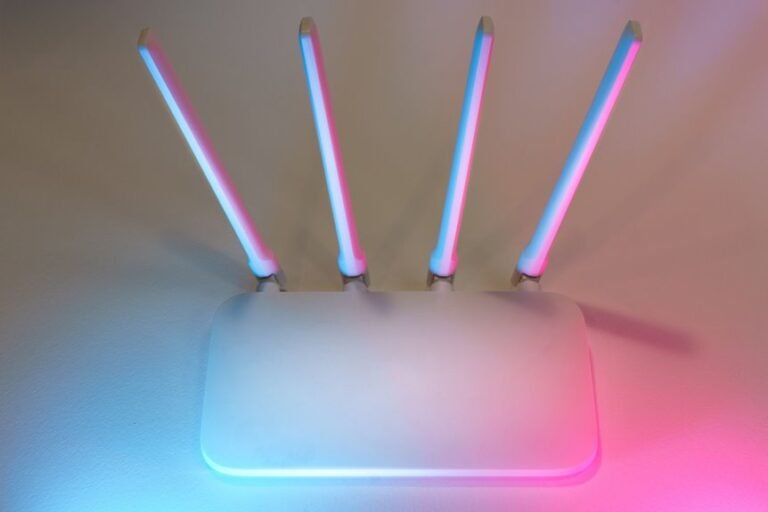
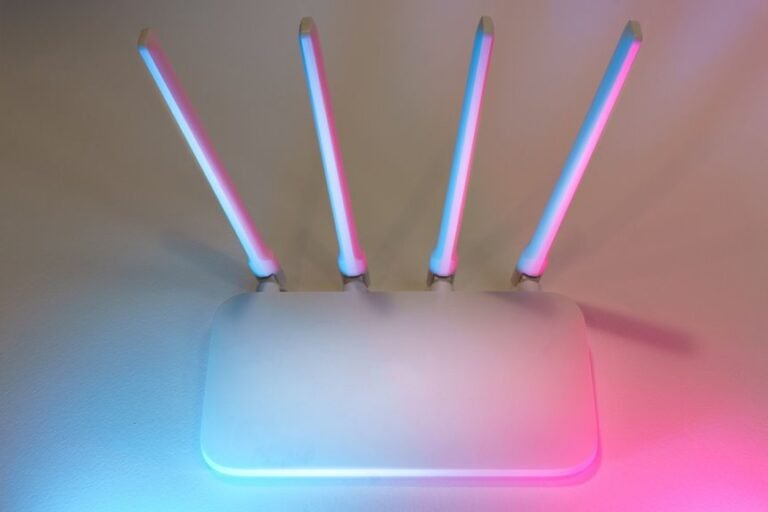
The 168.1.1 router refers to a specific model used for home or small-office networking, acting as the central device that routes data between local devices and the internet. This device standardizes connections, manages traffic, and enables secure LAN performance.
Subtopic idea one, Subtopic idea two.
Precision, clarity, and a measured approach support independent, flexible network configuration and reliable operation.
How to Access the Router: Login, Default IPS, and Credentials
Access to the 168.1.1 router is obtained by opening a web browser and entering the device’s default IP address, which is typically 192.168.1.1 or 192.168.0.1.
The login page appears, prompting setup credentials.
Enter provided username and password, then access dashboard.
If forgotten, follow reset procedures to restore access and reconfigure settings with care.
Secure Your Network First: Wi‑Fi, Firewall, and Admin Access Safeguards
Securing the network begins with central controls: enable strong Wi‑Fi protection, configure a robust firewall, and restrict administrative access to trusted devices.
The procedure emphasizes network security through disciplined threat modeling, frequent parity checks, and disciplined firmware updates.
Implement periodic audits, verify integrity, and maintain baselines.
This framework enables informed defense, quick recovery, and autonomy within a trusted, open network environment.
Fine‑Tuning for Performance: Wi‑Fi Optimization, Guest Networks, and Parental Controls
Fine‑tuning for performance focuses on optimizing Wi‑Fi, establishing guest access, and enforcing parental controls to balance speed, usability, and safety.
The procedure emphasizes precise configuration steps for wireless channels, bandwidth control, and network segmentation.
Implement fine tuning with clear milestones, monitor performance metrics, and verify guest networks and parental controls operate without compromising core security or user autonomy.
Frequently Asked Questions
How to Recover a Forgotten Router Admin Password?
To recover admin access, perform password recovery via secure management interface or reset without loss, preserving config retention. Enable remote access cautiously; note LAN IP changes may occur. Use auto changes only when needed; ensure mobile data protection.
Can I Access the Router via Mobile Data?
Example: a traveler uses remote management to access a home router. Can one access via mobile data? Yes, with remote management enabled, a stable internet connection and proper secure credentials are required; however, mobile data may incur latency.
What to Do if the LAN IP Changes Automatically?
If the LAN IP changes automatically, perform an auto scan to locate the new address, then verify connectivity. After securing, consider a firmware update to stabilize LAN addressing; document changes. This approach preserves control while enabling freedom.
How to Enable Remote Management Securely?
Remote management should be enabled only over HTTPS, with strong credentials and restricted IPs. Enforce secure firmware updates and two factor authentication, plus periodic audit logs, to preserve freedom while maintaining robust security for administrative access.
How to Reset the Router Without Losing Config?
The procedure requires performing a config backup before reset, then restoring settings post-reset; ensure firmware updates are current to avoid compatibility issues, and verify that critical configurations persist through the reboot, maintaining secure remote access and customization freedom.
Conclusion
The guide concludes with an emphatic, almost heroic, nod to the 168.1.1 router—where a mere login unlocks a fortress. Precise steps, from IP entry to credentials, are presented as the blueprint of security and speed. Administration becomes a disciplined craft, firewall rules a defensive shield, and guest or parental controls a strategic maneuver. In this ledger of settings, performance and protection fuse into a single, unstoppable protocol—ensuring networks are invincible, efficient, and endlessly reliable.