168.100.16 Router Login and Network Guide
The guide covers secure access to the 168.100.16 router and outlines a reliable setup path. It presents stepwise login procedures, baseline network configuration, and essential security controls. Parental filtering, traffic segmentation, and log auditing are emphasized to reduce risk. The document also details maintenance, firmware updates, and troubleshooting workflows. It leaves several implementation choices open, inviting careful consideration of policy alignment and practical constraints before proceeding with changes.
How to Log In to the 168.100.16 Router Securely
To log in to the 168.100.16 router securely, a user should ensure the connection is established over a trusted network and use the device’s official web interface or secure management method. login security standards emphasize authenticated access, encrypted channels, and unique credentials.
Robust router access controls limit administration, monitor sessions, and document access logs for ongoing, auditable security.
Quick Setup: Initial Network Configuration and Wi-Fi Basics
Initial network setup establishes the foundation for a stable and secure wireless environment. The process outlines basic router access, SSID naming, and channel selection, followed by establishing network credentials and password strength. Documented steps emphasize firmware updates as a maintenance prerequisite. A concise baseline enables reliable connectivity, predictable performance, and freedom to customize settings while preserving security and interoperability across devices.
Manage Security and Parental Controls for a Safer Home Network
This section outlines mechanisms for safeguarding a home network through centralized security configurations and parental controls. It examines access policies, firmware integrity, and network segmentation to minimize security vulnerabilities. Parental controls are described as configurable rulesets, time windows, and content filtering tied to user profiles. The analysis emphasizes audit trails, policy enforcement, and transparent reporting for empowered, freedom-minded stewardship.
Troubleshooting, Maintenance, and Advanced Settings Walkthrough
Troubleshooting, maintenance, and advanced settings walkthrough presents a concise, stepwise framework for diagnosing connectivity issues, preserving device integrity, and tuning router functionality. The procedure emphasizes repeatable privacy audits, careful configuration backups, and discrete change management.
Systematic checks include firmware updates, firewall rule validation, port forwarding verification, and performance benchmarking. Results are documented, and rollback plans accompany any experimental adjustments.
Frequently Asked Questions
What Is the Default Login URL for 168.100.16 Router?
The default login URL for the 168.100.16 router is http://192.168.0.1 or http://192.168.1.1. For router setup, access occurs via these addresses; ensure network visibility and security, as administrators typically configure credentials and access restrictions.
How Do I Change the Router’s SSID Name?
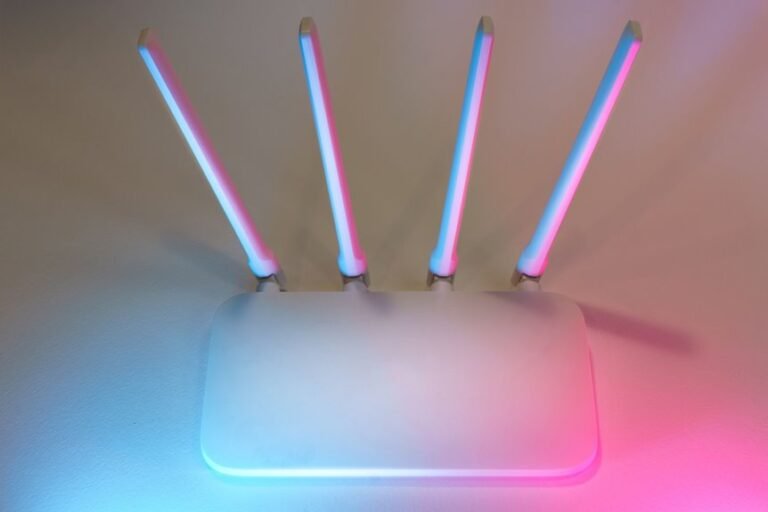
A neon-lit dashboard appears as the SSID is renamed, then the network name is saved. To secure control, change password and perform a firmware update; such steps ensure stable visibility. The procedure emphasizes precise, structured settings for freedom.
Can I Set up Guest Networking Separately?
Yes, guest networking can be configured separately. A dedicated guest network isolates devices, while parental controls apply to both networks; configure SSID, credentials, and firewall rules, then enable access restrictions and time limits for added control.
How Do I Back up Router Configurations?
Backup configuration is created via the router’s admin interface or TFTP/SSH methods, then stored securely. Beforehand, verify firmware update availability; apply if needed. The process preserves settings and reduces downtime, enabling rapid restoration after changes or failures.
Is There a Mobile App for Router Management?
A mobile app exists for some routers, enabling management on smartphones; however, availability varies by model. It supports monitoring, basic configuration, and firmware updates, though full feature parity with web interfaces is not guaranteed. Users should verify device compatibility first.
Conclusion
The guide empowers administrators to log in securely, configure robust SSIDs, and deploy strong credentials. It emphasizes monitoring sessions, auditing changes, and updating firmware to sustain integrity. It supports centralized policy management, parental controls, and network segmentation to reduce risk. It advocates documented backups and disciplined change control, with continuous review of logs. It presents a precise, technical framework for secure access, reliable performance, and adaptable controls, guiding ongoing maintenance, proactive defenses, and compliant, auditable governance for a safer home network.