168.0.174 Router Admin Access Guide
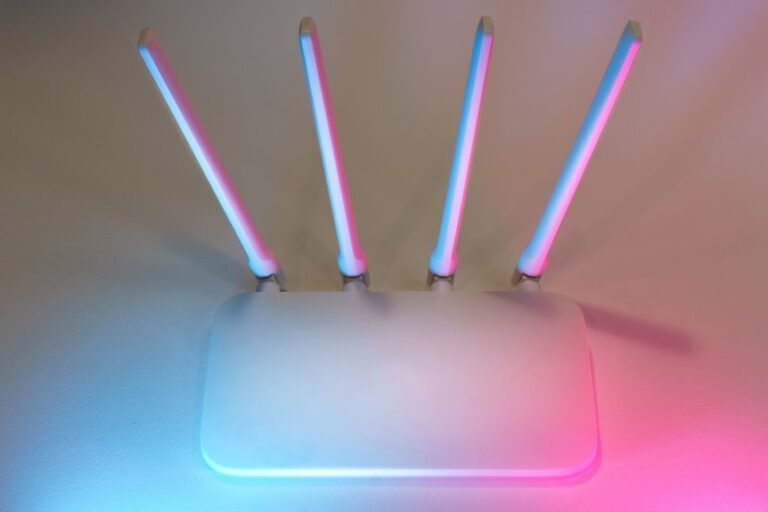
The guide on the 168.0.174 router admin access outlines a disciplined approach to securing the management panel. It emphasizes local, private connections and strict authentication, with strong, unique credentials and restricted device access. It also covers secure Wi‑Fi, firewall boundaries, and careful separation of admin and user traffic, plus safe remote management and ongoing hygiene. The framework invites careful implementation, but its practical balance between usability and security invites one to examine gaps and potential improvements.
How to Log In to the 168.0.174 Router Admin Panel
To access the 168.0.174 router admin panel, a user should open a web browser and navigate to http://168.0.174.1 or https://168.0.174.1, depending on the device’s configuration, ensuring the connection is local and private.
The process emphasizes login authentication and network segmentation, with precise, methodical steps; access is restricted, monitored, and aligned with security-focused, freedom-oriented principles to minimize exposure and maintain controlled control.
Replace Default Credentials and Set Strong Access Controls
Replacing default credentials and enforcing strong access controls is essential to reduce risk exposure and unauthorized access. The procedure emphasizes immediate credential changes and unique, strong passwords, paired with multifactor-like safeguards where available. Authority is minimized to trusted devices, while access logs are monitored. Two word, two word. The approach remains disciplined, precise, and freedom-minded, targeting persistent defense without unnecessary complexity.
Secure Wi‑Fi and Essential Firewall Settings for 168.0.174
Setting secure wireless and gateway defenses for 168.0.174 involves configuring the Wi‑Fi network and firewall with disciplined, verifiable controls. The approach emphasizes secure configuration, strong encryption, and guest isolation, ensuring trusted devices remain protected. Network segmentation is applied to separate administrative traffic from user devices, reducing risk while preserving freedom to innovate and adapt without compromising core protections.
Enable Remote Management Safety and Routine Security Hygiene
Remote management must be carefully regulated to prevent exposure of administrative functions.
The approach emphasizes least privilege access, strong authentication, and routine credential rotation.
Regularly update firmware to mitigate exploit vectors, verify device integrity, and monitor logs for anomalies.
Embrace security obsession and firmware paranoia as disciplined practices, not paranoia, ensuring remote access remains controlled, auditable, and aligned with your freedom to operate securely.
Frequently Asked Questions
Can I Recover Forgotten Admin Credentials for 168.0.174 Routers?
Answer: Yes, recovery methods exist, though procedures vary by model. The guidance emphasizes safe practices: use official recovery tools, verify firmware integrity, and avoid illegal access. If credentials are intractable, firmware rollback may restore default admin access.
Are There Firmware Update Guidelines Specific to 168.0.174?
Firmware updates for 168.0.174 follow standard vendor guidance, with caution: firmware encryption ensures integrity, and the password reset process should be used if credentials are lost. Updates are methodical, security-focused, and respect user autonomy. Irony acknowledged.
How Often Should I Rotate Router Admin Passwords on 168.0.174?
Password hygiene recommends rotating router admin passwords quarterly to maintain a strong security posture; in practice, quarterly updates balance risk and manageability for users who value operational freedom and proactive protection.
Does 168.0.174 Support Guest Network Isolation by Default?
Yes, 168.0.174 uses guest network default isolation by default, separating guest traffic from admin and LAN. This demonstrates deliberate security, like symbolic barriers, guiding users toward safe exploration while preserving freedom to connect without cross-network access.
What Are Common Signs of Router Compromise on 168.0.174?
Signs of compromise include unexpected DNS changes, unexplained traffic spikes, new or altered admin accounts, persistent firmware anomalies, disabled security features, unfamiliar open ports, and repeated login failures. Two word discussion ideas about Subtopic not relevant to the Other H2s listed above.
Conclusion
The guide presents a precise, methodical approach to securing the 168.0.174 router, emphasizing local, private access, strong credentials, and segmented traffic. By rigidly enforcing login controls, updating firmware, and monitoring logs, administrators create resilient defenses. The emphasis on encryption, guest isolation, and restricted remote management reinforces network integrity. A single careless oversight could unlock doors to broader exposure, underscoring that vigilance is the heartbeat of security—critical, unwavering, and absolutely indispensable. The stakes are higher than a mountain.