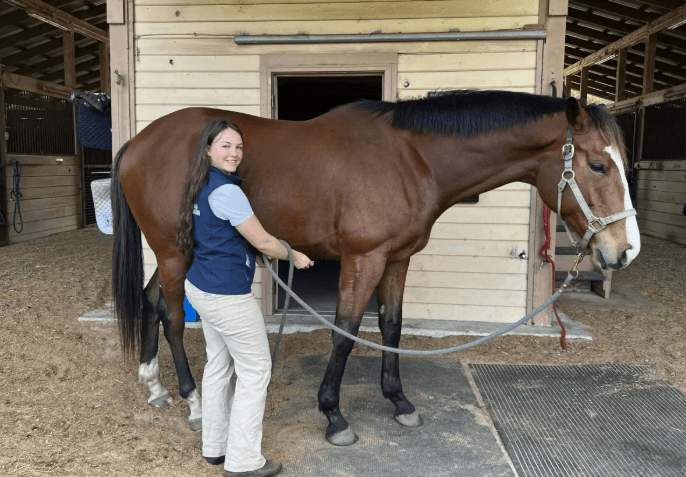
How Trainers Keep Horses Mentally Focused
Trainers employ various strategies to maintain horses’ mental focus, recognizing the importance of cognitive engagement in their overall well-being. They introduce stimulating exercises, establish consistent routines, and build trust through effective communication. Each method plays a vital role in fostering an environment conducive to learning and connection. However, the nuances of these techniques reveal deeper insights into equine psychology. What specific practices truly resonate with horses, and how can they enhance their training experience?
Engaging Exercises to Stimulate the Mind
To maintain mental sharpness, trainers implement a variety of engaging exercises designed to stimulate horses’ minds.
Puzzle games challenge their problem-solving skills, encouraging curiosity and cognitive growth.
Additionally, obstacle courses promote physical agility while requiring mental focus.
Together, these activities foster a sense of freedom and exploration, allowing horses to thrive in an environment that values both their physical and mental well-being.
See also: How Trainers Detect Early Signs of Fatigue
Establishing Routines for Consistency
While horses thrive on mental stimulation, establishing routines plays a crucial role in maintaining their focus and overall well-being.
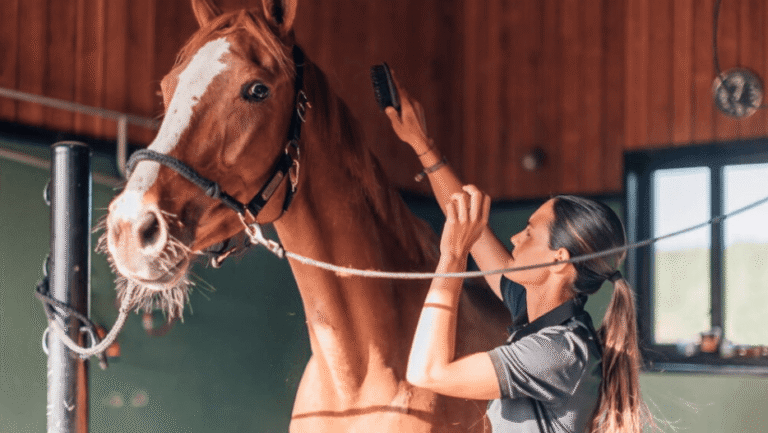
Daily schedules create a sense of predictability, allowing horses to feel secure and confident. Trainers often employ positive reinforcement within these routines, rewarding desirable behaviors and fostering a positive mindset.
This consistency not only enhances mental clarity but also supports their emotional health, promoting overall freedom and balance.
Building a Stronger Bond Through Trust and Communication
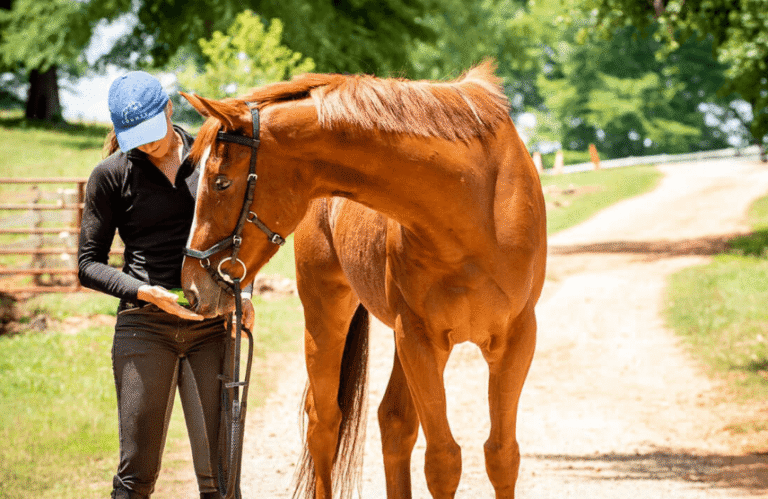
Trust and communication form the foundation of a strong bond between trainers and horses, enhancing both performance and mental focus.
Trainers employ trust exercises and communication techniques to foster an environment of understanding and respect.
This connection empowers horses, allowing them to respond more freely and intuitively.
Ultimately, such relationships promote better training outcomes and a more harmonious partnership between horse and trainer.
Conclusion
In the grand tapestry of equine training, the art of mental focus stands as a glittering jewel, crafted through engaging exercises and unwavering routines. Trainers, akin to masterful sculptors, mold not just skills but the very essence of trust between horse and human. By transforming each training session into a riveting adventure, they elevate the mundane to the extraordinary, ensuring that horses are not merely participants, but enthusiastic collaborators in their own cognitive journeys. The bond formed is nothing short of legendary.